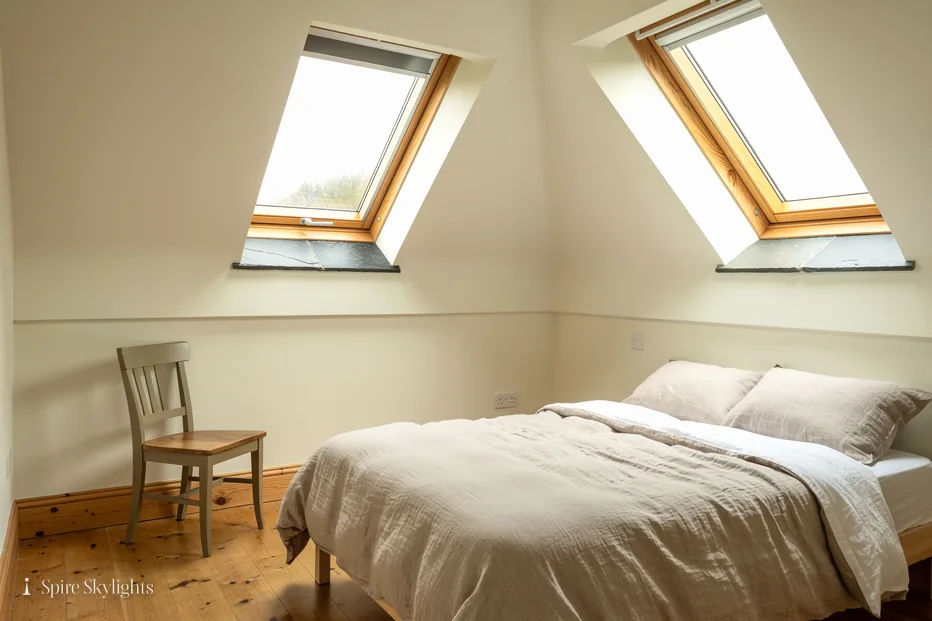

Skylights & rooflights in Shipston-on-Stour
Rooflights for a Stour-side market town.
Shipston-on-Stour was a coaching stop on the A3400 for two centuries, and its High Street of listed buildings, older shop roofs and outer housing asks for care at every opening in the roof.
- Stratford-on-Avon District Council
- High Street listed buildings
- Market town on the Stour
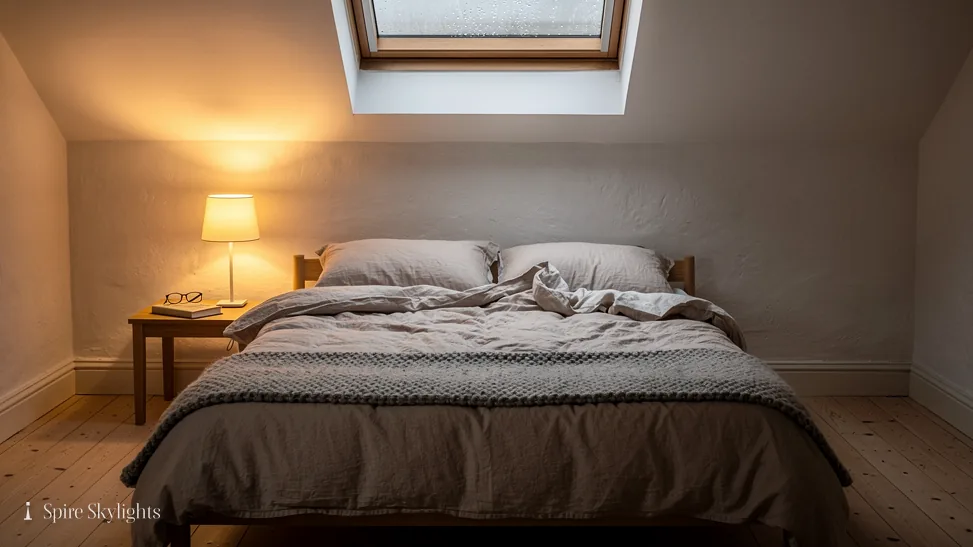
A coaching town: listed High Street buildings, plain edges
Shipston-on-Stour is a town and civil parish in southern Warwickshire, standing on the banks of the River Stour, and it lies 27.9 road miles from Coventry, almost due south. For roofing it is a textbook market town: a historic centre with older roofs above shops and houses, and plainer housing around the edges. From the 1600s to the 1800s it was a staging place for stagecoaches on what is now the A3400, and some of the former coaching inns survive on the High Street, which has many listed buildings.
That mix creates three kinds of job. In the centre, the roofs are often old, with a shop or an office on the ground floor and rooms above that a family or a tenant now lives in. A rooflight here may light a staircase, a top-floor flat or a stockroom turned into a studio, and the building's status affects what can be done. A listed building needs listed building consent before anything is cut, and we tell you early if that is the case so you do not pay for a quote you cannot use.
Streets behind the High Street tend to carry houses of mixed age, and we meet roofs of tile, slate and everything in between. The covering decides the flashing we use and the way we set the unit into it, so the first visit is always to look at the roof, from the ground and from the loft.
Beyond the older streets sit later houses, where lofts may have been boarded for storage and single-storey extensions carry flat roofs. Those are the straightforward jobs for a flat rooflight or a roof window, and the written quote for them is correspondingly simple.
Wherever your home sits in the town, the free survey comes first, and the fixed written quote follows before anything is booked.
Rivers and old roads leave their mark on roofs as well as maps. The A429 follows part of the historic Fosse Way past the western side of the town, and the A3400 links Shipston with Stratford-upon-Avon to the north-west and Chipping Norton to the south-east. Buildings along routes like these can change use over time, and a building that began as one thing may now be a home. Each conversion leaves a roof with its own quirks, and we read those at survey before suggesting a unit.
Shipston once had its own railway station at the end of a branch line, with passenger services withdrawn in 1929 and goods services in 1960. Buildings that served the old trade of the town, from storage to workshops, are the sort that now get new uses, and new uses want light.
Historic High Street roofs and plainer outer streets
Shipston's older centre and its outer housing call for different units. A listed or historic roof usually points to a conservation rooflight, a flat-roofed extension to a flat rooflight or lantern, and a boarded loft to a roof window.
- Conservation rooflightsFor older roofs near the High Street, where a slim, low-profile unit sits close to the slates or clay tiles.
- Flat roof rooflightsFor single-storey rear extensions on the town's outer streets, replacing a tired dome or lighting a dark kitchen.
- Roof windowsFor loft rooms in houses of any age where the stairs and landing need daylight.
- Walk-on rooflightsFor a yard, a courtyard or a flat roof behind a shop where daylight needs to reach a room below.
Also fitted here
Near Shipston-on-Stour
- Mickleton16 min
- Kineton18 min
- Wellesbourne16 min
- Stratford-upon-Avon19 min
Journey times by road from Shipston-on-Stour.
Is the building listed? Start there on the High Street
Stratford-on-Avon District Council decides planning matters in Shipston-on-Stour. Because the High Street has many listed buildings, the first question for a town-centre address is always whether the building is listed. Next we look up whether the street lies in a conservation area. The council holds the record on any Article 4 direction at your address, and we put what we find in writing before pricing.
Where the job counts as notifiable building work, we take care of the Building Control notification, and the new unit complies with today's Building Regulations. Read the rooflight planning guide if you want the full picture before we meet.
01 Roofs above the High Street
Listed fronts, old coverings and rooms upstairs that have outlived their original use.
On the roof
A roof above a High Street shop is rarely a simple surface. It may have been re-covered more than once, with different tiles or slates from different decades, and the timbers underneath may be older than the covering. On a building like that, the roofing comes first: we look at the condition of the covering around the intended opening, and we agree the finish only once we have seen what lies under it.
A conservation rooflight is the usual choice for older roofs. It has a slim frame and a single pane that sits close to the roof plane, so from the street it reads as a small, quiet interruption rather than a modern box. Where a listing applies, the unit and its position are agreed in a consent application before work is booked, and we help describe the product in terms the council recognises.
Behind the shop fronts, many buildings have a rear slope that cannot be seen from the High Street at all. That is often the better place for a rooflight, since the opening cannot be seen from the public side and the pitch is easier to work.
We lap the flashing into the existing covering, course by course, so water is carried over the frame and away. On a coaching-inn type roof with a long ridge and a steep pitch, we plan how the unit will be reached and fitted safely, and we set that out in the written quote.
Access on a town-centre roof deserves its own plan. Some town-centre buildings have no side path, so materials and the unit itself may have to be lifted from the street or carried through the building. We look at this at survey, tell you how the fitting would be done and what it means for the day, and put any access equipment in the written quote.
In the room
Upstairs rooms in old town buildings often have low ceilings, uneven plaster and awkward corners. The rooflight has to be dressed into that, not forced onto it. Where the ceiling is lath and plaster, we cut back to sound edges so the old surface does not crack, then line the reveal with insulated board and skim it.
A flat above a shop is often a place that needs daylight on a stair or a landing, where artificial light has been on all day. A rooflight over the stairwell brings daylight down through the floors, and the splay of the reveal carries it into the passage.
If the rooms are used for work, a studio or a stockroom turned into an office, a larger opening or a pair of units can make the space easier to use. We discuss glazing options, including solar control glass for a south-facing slope, at survey.
The finish matters in a period building. We match the plaster profile and leave the wall ready for paint, so that the new opening looks as if it belongs with the older fabric around it. Any timber we expose is treated, and any change to the room is described in the written quote.
Where an upstairs room sits over a shop, noise and fire separation can matter as much as light. We keep the ceiling construction intact around the opening, line the shaft with the right board, and discuss with you at survey anything about the structure below that affects the finish.

The short version
In an older town centre building, the covering and the consent come before the glass.
02 Outer estates and extensions
Boarded lofts, flat roofs and kitchens that could take more daylight.
On the roof
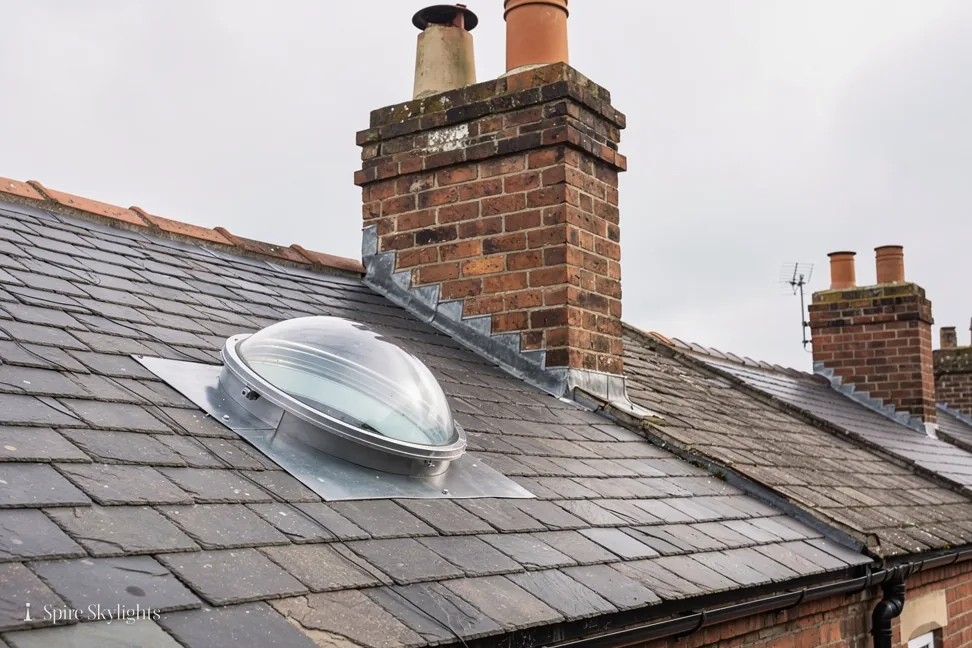
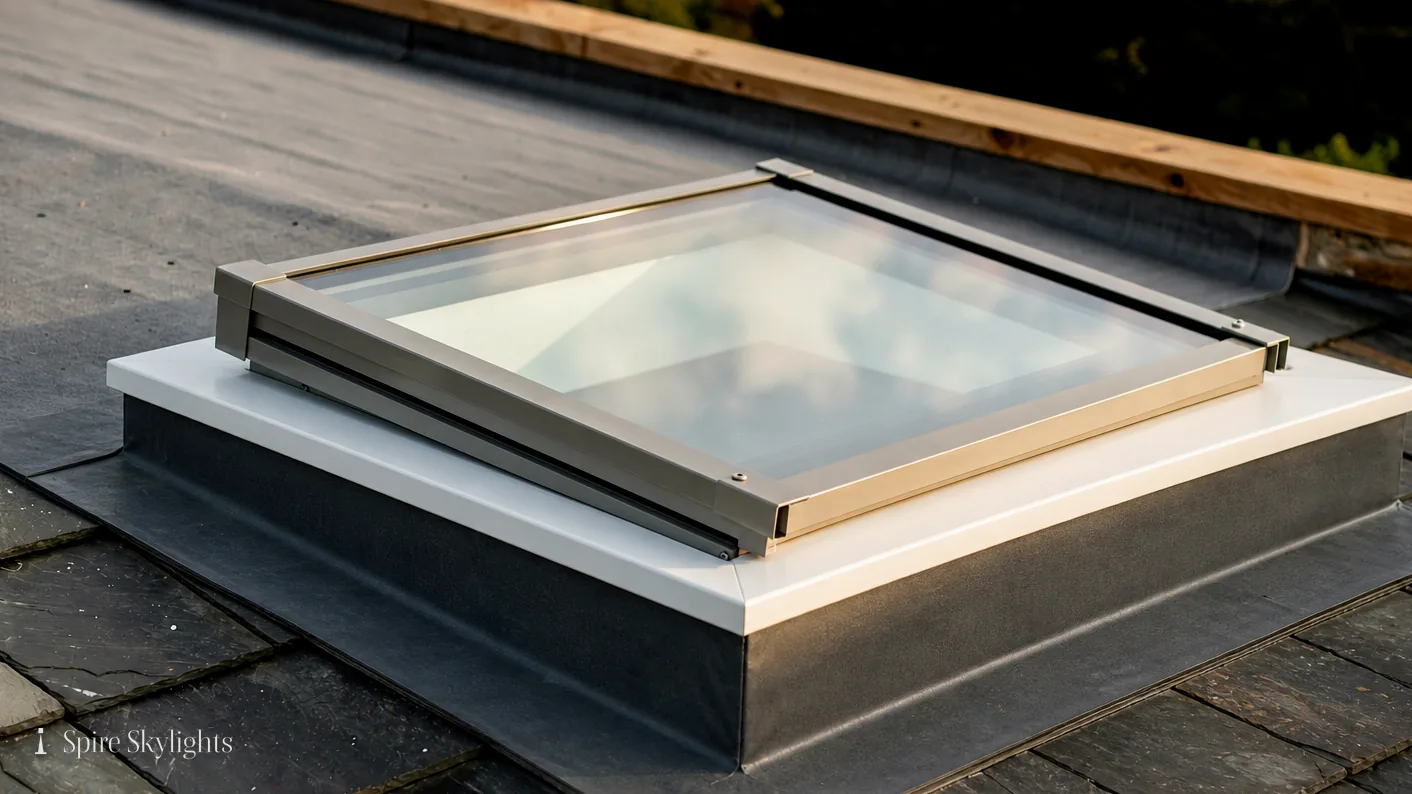
Away from the High Street, the roofs are plainer and the jobs more direct. A single-storey extension with a flat roof is a familiar candidate, and some carry a plastic dome or a small unit that has aged. We take the old unit out, check the deck and the fall, make a new insulated upstand, then set a flat glass rooflight or a lantern on it.
If the deck is soft or the roof ponds after rain, we say so at the survey. A new rooflight needs a sound surface under it, and any work to the roofing is priced in the same written quote, so it is not a surprise on the day.
On a pitched roof, a boarded loft has plenty of useful space but not much daylight. A roof window set between the rafters gives a stair, a landing or a spare room real light, and the opening is sized to avoid cutting more timber than the job needs. Where trusses are present, the opening is planned to sit between them or the roof is strengthened to a design.
Electric and opening rooflights are worth considering for kitchens, where steam and heat gather high. A unit that opens lets them out, and a rain sensor closes it when the weather turns.
Houses on the edge of town often have rear gardens that let us reach a roof easily, and that keeps the job quick. The fixed written quote names the unit, its size, the flashing or upstand, the finish inside and the Building Control notification where it applies, so you know the whole job before we start.
In the room
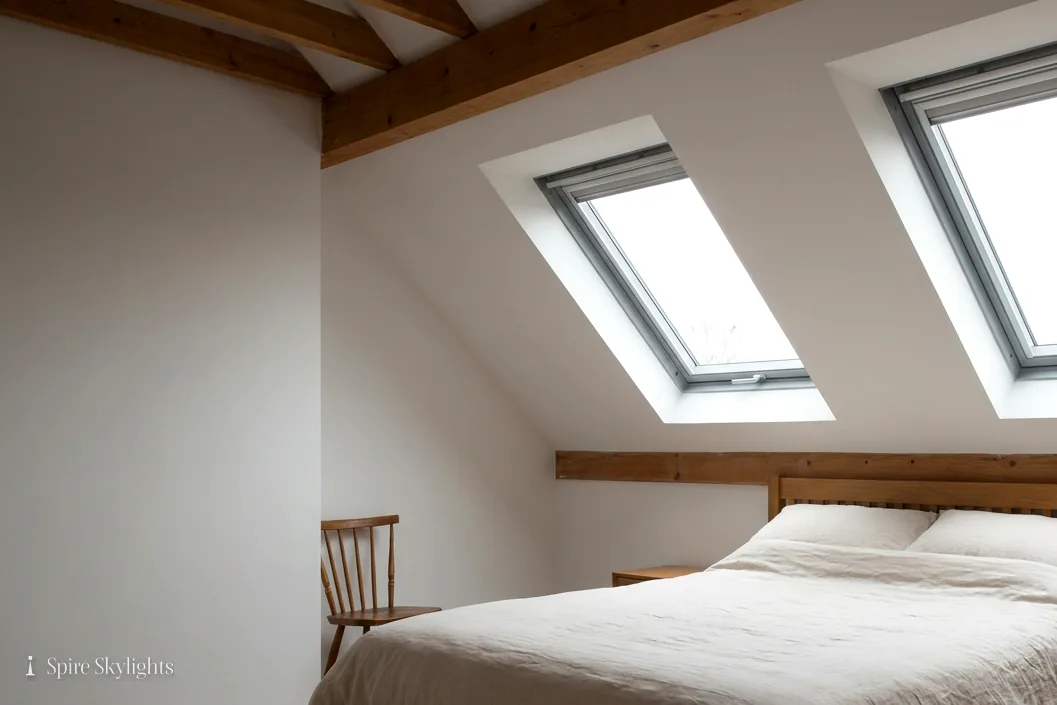
Under a flat roof extension, the ceiling is usually plasterboard fixed to joists, with the old dome sitting in a narrow shaft. When we change the unit, the hole in the ceiling is enlarged wherever the timbers permit and bevelled at the sides, so the kitchen or dining area gets more of the light the new glass lets in.
That is also the moment to decide where the light should land. Whether the target is a worktop, a dining table or the centre of the room, the splay is turned towards it, and we mark the plan with you before anything is cut.
Insulated board lines the reveal, which is then taped and skimmed, and the ceiling around it is made good. We leave the surface ready for paint, so you can match the rest of the room, or we include painting in the quote if you ask.
For a loft room, the same attention goes into the finish at the sloping ceiling. The window sits in a lined shaft, plastered square or splayed to suit the angles of the room, and the edge where the new plaster meets the old is feathered so it disappears under a coat of paint.
Where a kitchen or a family room sits under the flat roof, think about how the room is used across the day. A glass roof that fills the space with morning sun is a pleasure at breakfast and a problem at midday in July, so we discuss solar control glass, blinds and an opening unit at the same visit.
The short version
Behind the High Street, a new unit is the chance to widen the opening and finish the ceiling properly.
High Street homes, old domes, booking: Shipston-on-Stour
My Shipston home is on the High Street. Does that change what I can fit?
It can. The High Street has many listed buildings, and a listing means consent is needed before a rooflight goes in. We check the status of your property before we quote, suggest a slim conservation rooflight where it suits, and tell you in writing whether an application is the right route. The council has the final word on it.
Can you replace the old dome on my extension in Shipston?
Yes. We take out the dome and its upstand, check the roof deck, raise a new insulated upstand and install a flat glass rooflight or a lantern. Inside, we widen and splay the opening where the joists allow, plaster it and make good. The whole job appears in one fixed written quote.
What is the quickest way to arrange a survey from Shipston-on-Stour?
Shipston-on-Stour is 27.9 road miles from central Coventry, roughly 39 minutes by road, and comfortably inside our area. Fill in the form, call, or message on WhatsApp, and we will suggest a time. A free survey comes first; your fixed written quote lands before anything is booked.
We survey before we price.
Then we finish the room.
Free survey · Coventry and 30 miles around
Book your free survey
No obligation. We survey before we price.