Choosing between a roof lantern and a flat rooflight is one of the first decisions in a new extension, and it is easier once you know what each one does. Both are glazed units set into a flat roof to light the room below. A flat rooflight lies low, almost level with the roof. A roof lantern rises above it in a pitched, multi-sided shape, like a small glazed roof of its own. Our roof lantern installation service covers the second kind, and we fit flat units too, so the advice below is about fit rather than preference.
How each one lets in light
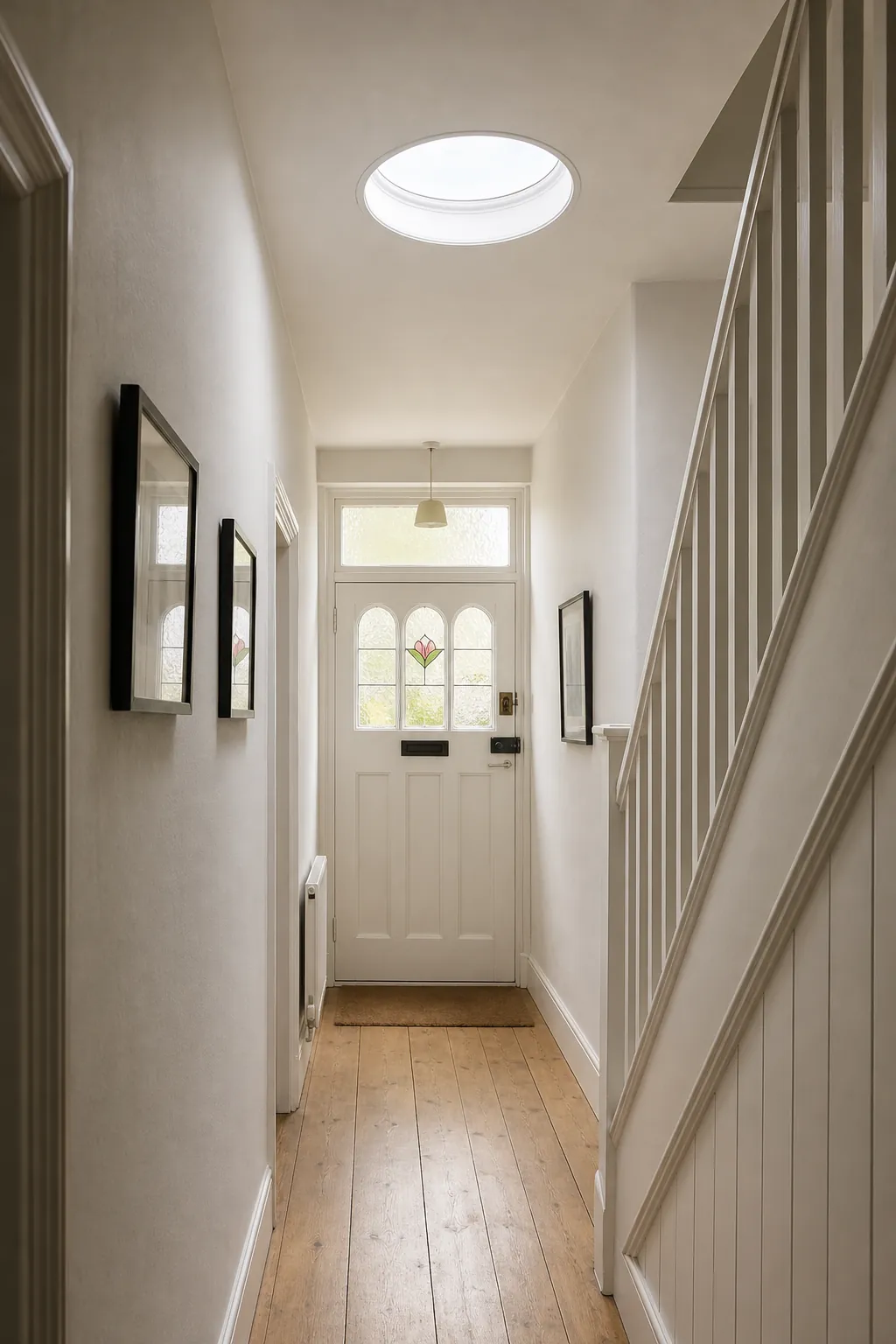
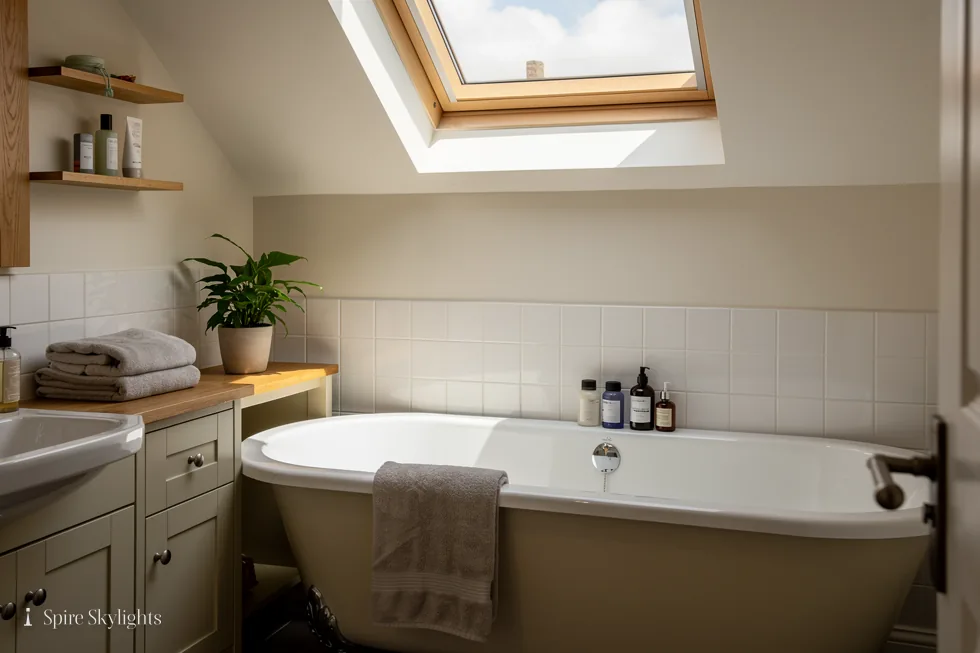
A flat rooflight admits light from above, straight down. It floods the area directly below with daylight, which works well over a corridor, a kitchen worktop or a bathroom. Light reaches the room mostly in a column, then spreads as it bounces off the ceiling and walls.
A roof lantern admits light from above and from the sides, because its glazed faces are angled. The light enters from several directions across the day, so the room is lit more softly and for longer. The lantern also makes the ceiling feel taller, which is often the biggest change people notice. In a deep room, such as a long kitchen-diner, a lantern tends to carry daylight further into the space. In a narrow room, a flat rooflight can do the same job with less structure.
Height, volume and the look of the room
This is where the two differ most. A lantern adds height inside and out. From the garden it reads as a feature of the building, and from inside it creates a volume that rises above the ceiling line. That works well in a contemporary extension, an orangery or a period house where the lantern echoes the glazing below.
A flat rooflight leaves the roofline plain. If the room is at the back of the house, close to a neighbour or under a tight planning constraint, a flat unit can bring in light without changing how the building looks from outside. Inside, it sits flush with the ceiling and looks clean. Where you want light but not a statement, flat is the simpler answer.
A lantern changes the shape of the room. A flat rooflight changes only how bright it is.
Heat in winter and summer
Glass loses heat faster than an insulated roof, and the more glass there is, the more it matters. A lantern generally has more glazed area than a flat rooflight over the same opening, so the glass specification matters even more. For existing dwellings, Part L asks 2.2 W/m²K of flat-roof rooflights and lanterns. Beyond the legal figure, the choices that make the room comfortable are the thermal break in the frame, the glazing layers and the coating.
In summer, a south-facing lantern can overheat a room if the glass lets in too much solar gain. A solar control coating is the usual remedy, and an opening vent in the lantern or a nearby opening rooflight helps the hot air escape. A flat rooflight lets in less sun because it has less glass, though a large one over a south-facing roof still deserves a solar control coating. Our energy efficient rooflights page covers glass choices in depth.
Structure and the roof beneath
A lantern is heavier and taller than a flat rooflight, and it sits on a purpose-built kerb. The roof around the opening must carry the extra weight and the wind load on a taller object, so the trimming and kerb are more substantial. A flat rooflight is lighter and often needs less structure, though it still needs a kerb or upstand and trimmed joists for a new opening.
| Feature | Roof lantern | Flat rooflight |
|---|---|---|
| Light direction | From above and the sides | Straight down |
| Effect on the room | Adds height and volume | Brightens a flat ceiling |
| Roofline outside | Raised feature | Low profile |
| Structure needed | Heavier kerb, more trimming | Lighter kerb or upstand |
| Planning | Often assessed on its own terms | Class C if within 150 mm |
Ventilation and opening units
Either type can include an opening part. A flat rooflight with a hinged or electric opening sash gives ventilation directly above a kitchen hob or a steamy bathroom, and it lets heat rise out of the room. A lantern can have opening vents in its sides or ridge, which lets hot air escape at the highest point. If summer heat is your worry, the ability to open the unit usually matters more than the choice of shape.
Size, proportion and the room below
Proportion matters as much as type. A lantern that is too small looks lost on a big roof, and one that is too large crowds the ceiling and can cause glare and heat gain. A flat rooflight that is too small can leave a room underlit, while a very large one can look like a hole in the ceiling. The rule of thumb is to relate the unit to the room beneath it, not just to the roof above. The lantern sizing answer shows how we work that out.
Planning and Building Regulations
Both are building work when new or when replaced as a whole unit, and both are notifiable. The planning position differs. Class C permitted development allows rooflights that rise at most 150 mm above the roof plane, so a flat unit fits only if its kerb and frame stay within that, while a lantern stands well above it and is assessed differently. See planning permission for lanterns in detail for how, and our planning guide covers the exceptions for flats, conservation areas and listed buildings.
Where an extension is going through planning in its own right, the lantern appears on the drawings and is considered as part of the roof. That is usually the neatest route for a lantern. We handle the Building Control notification for either unit where the work needs it.
Frames, finishes and sightlines
Lanterns are usually aluminium, with slim sightlines that keep the glazed area large, and they come in a range of colours, often with a different shade inside and out. Flat rooflights come as framed units, with a visible frame at the edge, or as frameless-looking units where the frame is hidden below the glass line. For a modern extension a slim frame in a dark colour looks crisp. For a period house, a heavier profile with a ridge detail can suit the existing windows better. Matching the frame colour to the doors and windows below usually looks best.
Security and strength
Both types are made with toughened or laminated glass options, and the maker states the strength rating for the glazing and frame. A laminated inner pane holds together if the glass is struck, which is a sensible choice for any rooflight that can be reached from above. We specify by the manufacturer’s stated rating for the exact unit and quote the choice in writing.
Maintenance and weather
Every flat roof glazing needs its junction to the roof to be properly detailed. On a flat rooflight, the junction is a single upstand and flashing. On a lantern, there is the base kerb and the lantern’s own ridge and eaves joints, which are sealed to the maker's details and designed to shed water. Flat rooflights are more likely to hold water on the glass if the pitch is shallow, which is why a flat rooflight needs a small fall, and why many are set at a slight angle on their kerbs. Lanterns shed water and leaves down their pitched faces. Cleaning is easier on a lantern with a self-cleaning coating, and a flat unit can be wiped from a safe position where access allows.
Which suits which room
- A kitchen extension with a large span of flat roof often suits a lantern for height and light from several sides.
- An orangery or garden room usually suits a lantern, which reads as part of the structure.
- A narrow hallway, bathroom or utility room usually suits a flat rooflight or two.
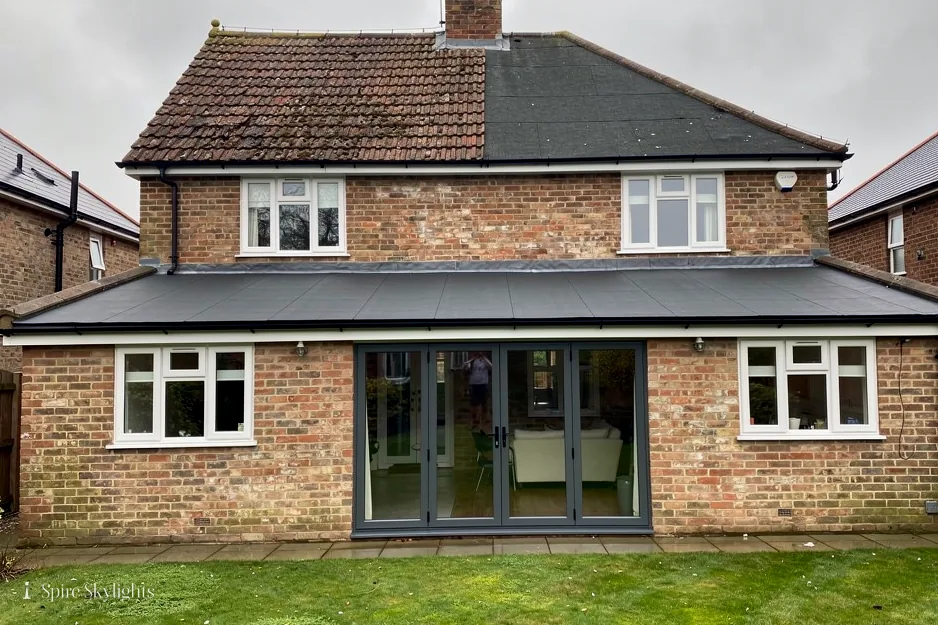
- A single-storey side return, tight against a boundary, often suits a flat unit to keep the roofline low.
- A room that already has tall ceilings may gain more from flat units than from a lantern.
Combinations work too. A lantern over the dining area and a pair of flat rooflights over the worktops is a common answer, because it puts the height where the people are and the plain light where the work is.
Fitting to an existing flat roof
If you already have a flat roof, either unit can be fitted by forming a new opening. The existing roof covering is cut back, the joists are trimmed, a kerb is built and the roof covering is dressed back to it. With a lantern, it is wise to check that the roof structure can take the extra weight before committing, because some older flat roofs were built light. We assess that at the survey and say plainly if strengthening is needed.
Replacing what is there
If you already have a lantern or a flat rooflight that has failed, you can usually replace like with like, or change type if the structure allows. Swapping a flat unit for a lantern is a bigger job than swapping a flat unit for another flat one, because the base and the roof structure have to take a different load. Our note on what we check on an existing kerb sets it out.
Night-time and privacy
One point people overlook is what the glass does at night. A lantern or a large rooflight shows the lit room to the sky and can look out onto the stars on a clear night, which many people enjoy. Inside, the dark glass can feel cold in the evening without blinds. Fitted blinds, whether manual or electric, solve that, and they also control glare and heat in summer. We can discuss options at the survey, because blinds are easier to plan before the unit is ordered.
Making the choice at survey
Bring photographs of the room, any plans from your architect or builder, and a note of what bothers you about the current light. If there is a drawing with a lantern marked on it, we will check that the structure and the planning position support it before you order. If the drawing shows a flat unit and you are tempted by a lantern, we can show you what changes. Either way, the decision is made with the facts of your roof in front of you.
The best way to decide is to stand in the room, look up and think about the light at different times of day. When we visit for the free survey, we study the roof, the orientation and the structure, and talk through both options. The fixed written quote then states the unit, the base, the weathering, the finish inside and the Building Control notification, so you can compare like with like. The work carries our 10-year workmanship guarantee, and the reveal inside is splayed where the roof depth allows, plastered and made good.